
The WHSL Team
Join the WHSL Community
Stay up to date on upcoming events, industry news, and resources designed for liquidation and wholesale businesses.
More From The WHSL Team

Aug 27, 2025

Aug 27, 2025

Aug 27, 2025

Aug 27, 2025
What to Do About Expected Cost Increases in 2025 and Beyond
Let’s not sugarcoat it. If you’re in the liquidation, wholesale, or reselling world right now, you're probably feeling the squeeze.
Aug 19, 2025
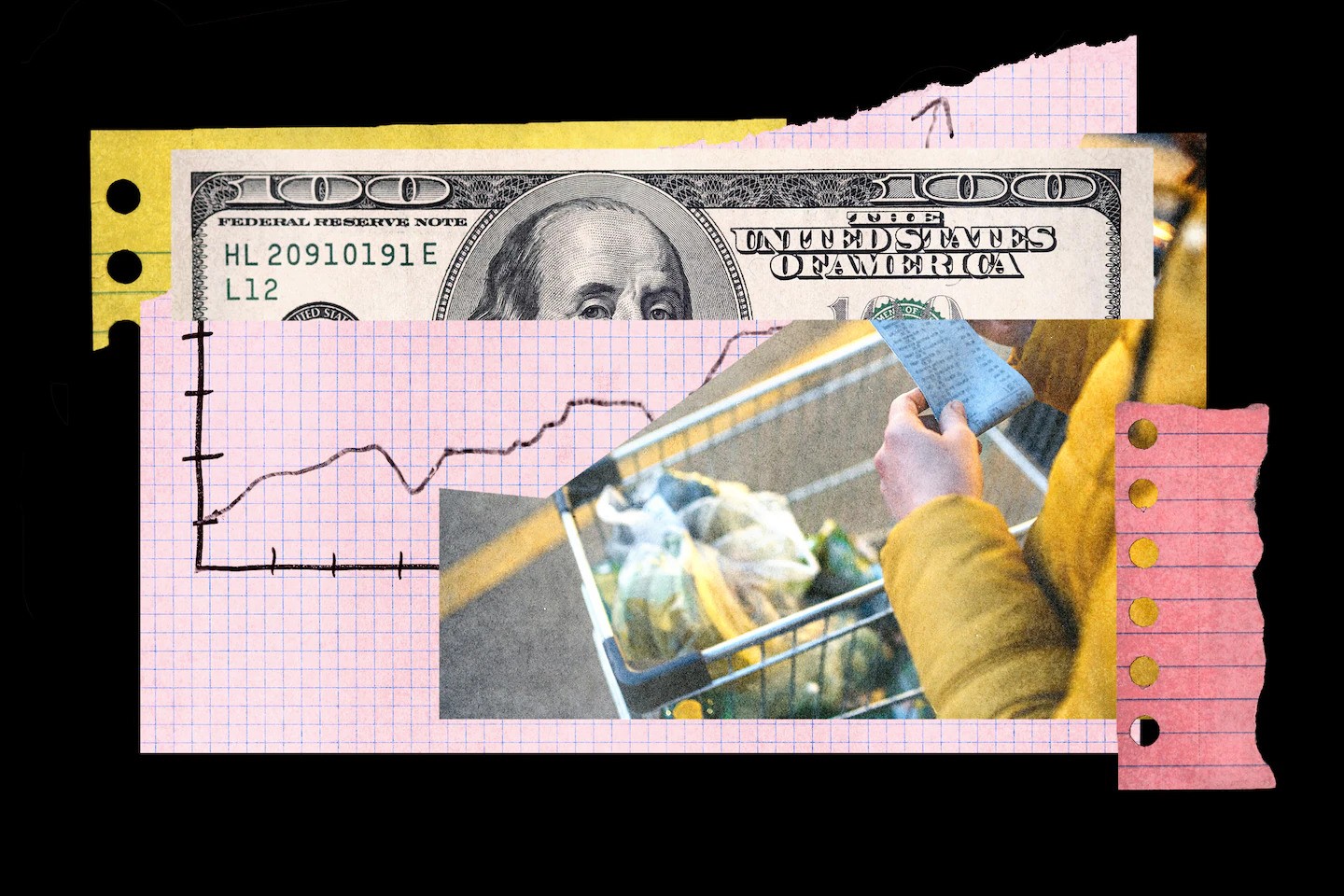
Let’s not sugarcoat it. If you’re in the liquidation, wholesale, or reselling world right now, you're probably feeling the squeeze. Not just the usual day-to-day headaches, but the real, measurable stuff. Loads are getting pricier. Freight isn’t what it used to be. And sourcing? Well, that’s turned into a bit of a scavenger hunt lately.
According to our latest WHSL State of the Industry survey, a whopping 70% of respondents saw their load costs rise in 2024 compared to the year before. Nearly half, 49% to be exact, said merchandise was harder to come by. Only 18% felt it got easier. The rest? Holding steady, but let’s be honest, “no change” isn’t exactly good news.
So what’s really going on? And more importantly, what can you actually do about it?
Why Costs Are Crawling Up and Probably Staying There
There’s no single villain here. It’s more like a storm of smaller problems all blowing through at once.
First, you’ve got international trade drama still unfolding. Tariffs, policy shifts, geopolitical spats, pick your poison. When global supply chains get jammed up, your pallet and truckload prices have to make up for it.
Then there’s the freight mess. Fuel costs are bouncing around, carriers are tightening availability. And if you’re not moving consistent volume you’re not getting the good lanes or the best rates.
Add to that tighter inventory from major retailers. They're adjusting smarter. That means fewer overbuys, fewer returns, and less excess. Translation: less product gets liquidated, and when it does, everyone’s scrambling for the same scraps.
What It Means for the Rest of Us
If you’re running a bin store, stacking shelves in a discount outlet, or hustling through online auctions, these cost hikes hit home. It’s not just about paying more. It’s about getting less wiggle room. Less margin. Less certainty.
And yet, some sellers keep winning. The survey turned up an interesting pattern. Those doing well are focused on three things.
1. Moving inventory fast
2. Staying consistently profitable
3. Building repeat buyer loyalty
They’re not chasing unicorns. They’re working smart, working lean, and doubling down on what actually builds long-term value.
So Now What?
Here’s the good news. Higher costs don’t have to wreck your bottom line. They just mean you need to shift strategy (link to the ecosystem business article here). Here’s how you might want to play it:
1. Don’t Marry Your Supplier List
Too many people get comfy with one or two sources and stop looking around. That’s risky. Now’s the time to branch out. Find auction lots. Explore shelf-pull programs. Talk to smaller regional suppliers. Even if the deals aren’t earth-shattering, spread the risk.
2. Start Treating Freight Like Inventory
The days of last-minute freight bookings are over. If you know you’re buying in bulk, lock in those lanes ahead of time. Partner with a broker who’s got your back. Or better yet, pre-build lanes for your most common routes.
3. Buy Less, Sell Faster
You don’t need to win on price alone. Focus on products you know will move. Fast. Even if they cost more upfront. The goal is profit velocity, not just low unit cost.
4. Lean Hard into Your Customers
If you’ve got someone who’s bought from you twice, you’ve got a chance to make them a regular. That means follow-up. Promotions. Email. Text. Whatever works. Retention is cheaper than new customer acquisition. Always has been.
5. Stay Agile, Not Idealistic
Things might get worse before they get better. Or they might shift in weird, sideways ways nobody sees coming. So stop waiting for “normal.” Build a business that thrives in weird. The ones who adapt fastest are the ones who stick around.
One Last Thought
Yeah, 2025 and 2026 are looking a bit rough from here. But tough markets have a way of shaking out the lazy operators and sharpening the smart ones. If you’re reading this, you’re probably in the second group.
Take the data. Adjust the plan. Keep the wheels turning.
And remember, it’s not just about surviving the squeeze. It’s about finding your rhythm in the chaos and building something that lasts, even when the game changes.
Thinking about a strategy shift? You should check out our article on ecosystem businesses. It breaks down a model that’s helping small liquidators grow smarter and more sustainably. That post also comes with a free quiz and checklist to help you figure out how close (or far) you are from building a business that thrives long-term. Worth the read.