
Subee Cardenas
Subee is the Conference Coordinator of WHSL and Marketing Director of BuyLow Warehouse.
Join the WHSL Community
Stay up to date on upcoming events, industry news, and resources designed for liquidation and wholesale businesses.
More From Subee Cardenas
Mar 26, 2026

Aug 19, 2025
Aug 13, 2025
Aug 7, 2025
Postal Services Around the World Suspend Deliveries to US: How Will it Affect You?
Modern technology has become a total phenomenon for civilization, the defining force of a new social order in which efficiency is no longer an option but a necessity imposed on all human activity.
Aug 7, 2025
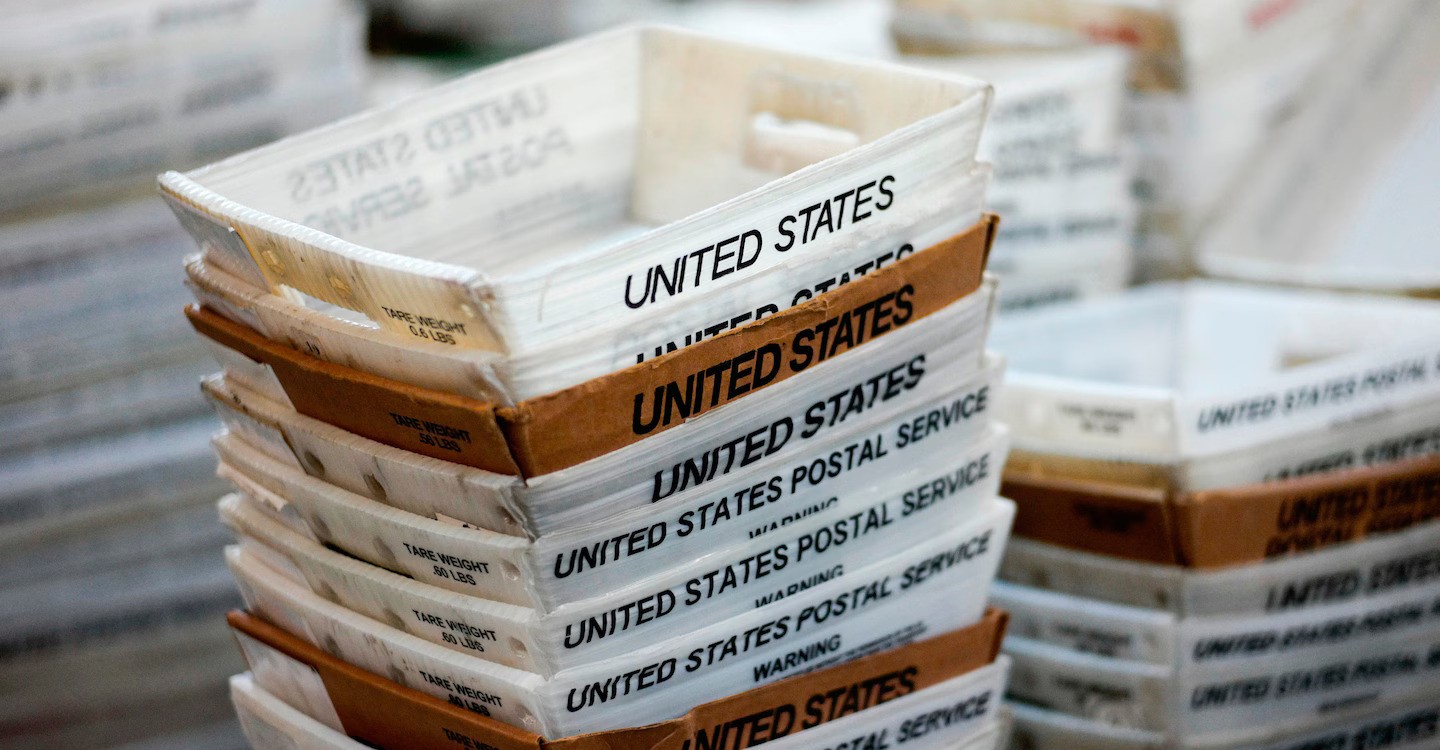
Postal services around the world have temporarily stopped sending some packages to the United States as they prepare for expanded tariffs. This change comes after the U.S. ended the exemption for packages under $800, a policy that previously allowed low-value shipments to enter duty-free.
Many international carriers began pausing services last week to avoid shipping packages that would face new fees starting August 29, 2025. These changes are set to affect both logistics and businesses that rely on imports, including wholesale, liquidation, reselling, and freight operations.
Why Postal Services Are Suspending Shipments
The cost of mailing packages to the U.S. is expected to rise sharply. Previously, packages under $800 were exempt from tariffs, simplifying cross-border shipping for both consumers and businesses. With that exemption removed, postal services must either absorb the increased cost or pass it along to customers.
As a result, dozens of countries have paused some services to adjust to the new rules and manage expenses.
How It Affects Mail and Packages
Not all mail is impacted in the same way:
Letters and personal gifts under $100 remain exempt from tariffs.
Many postal operators are suspending shipments of packages over low-value thresholds. Some have temporarily halted all shipments to the U.S. until their systems can handle the new requirements.
Packages already in transit before August 29 should not incur additional tariffs, but shipments arriving after that date may be returned to the sender or billed for duties and fees, depending on the carrier.
This creates uncertainty for international sellers, freight providers, and resellers who depend on predictable shipping timelines and costs.
Which Countries Are Affected
By early August, postal services in nearly 30 countries had paused some U.S. shipments:
Europe: 22 countries including the UK, France, Germany, and Italy. PostEurop noted that even more postal operators may need to restrict shipments.
Asia and the Pacific: Australia, New Zealand, Japan, India, South Korea, Taiwan, and Singapore have suspended some or all deliveries.
Online marketplaces such as Etsy have temporarily stopped providing U.S. shipping labels for carriers like Australia Post, Canada Post, the UK’s Royal Mail, and Evri. Sellers are being advised to use alternative carriers that allow prepayment of tariffs.
When Will U.S. Mail Resume?
Postal services say U.S. deliveries will remain paused until new systems are in place to process tariffs and fees efficiently. For example:
Belgium’s bpost is holding shipments until full details from U.S. authorities are implemented.
Australia Post is developing a billing system in partnership with a U.S. customs-authorized payments operator, which will adjust postage fees to cover tariffs and handling.
Temporary fixed-fee options will be available for parcels until late February 2026. Packages will face fees of $80, $160, or $200 depending on the tariff rate of the origin country.
What This Means for the Wholesale and Liquidation Industry
For businesses importing products, this is a major operational shift:
Higher costs: Even small packages now carry fees, affecting margins on low-cost inventory.
Delivery delays: New customs requirements and postal suspensions could slow shipments.
Sourcing strategy: Many resellers, bin stores, and liquidators may need to explore alternative suppliers or domestic inventory to maintain stock levels.
Freight planning: Couriers capable of managing customs directly may become the primary option for time-sensitive shipments.
In short, companies that rely on importing goods need to adjust pricing, shipping, and sourcing strategies to maintain profitability and avoid unexpected delays.
For a deeper look at how these tariff changes could impact your business and practical steps to prepare, check out our article: New U.S. Tariff Rules: How Resellers and Liquidators Should Prepare.