
Subee Cardenas
Subee is the Conference Coordinator of WHSL and Marketing Director of BuyLow Warehouse.
Join the WHSL Community
Stay up to date on upcoming events, industry news, and resources designed for liquidation and wholesale businesses.
More From Subee Cardenas
Mar 26, 2026

Aug 19, 2025
Aug 13, 2025
Aug 7, 2025
How to Navigate Tariffs and Rising Costs in the Liquidation Industry
Tariffs. You think they’re just something politicians argue about on TV, and then one day you’re standing in your warehouse wondering why your pallets look different and why the math on your margins suddenly feels off.
Aug 7, 2025
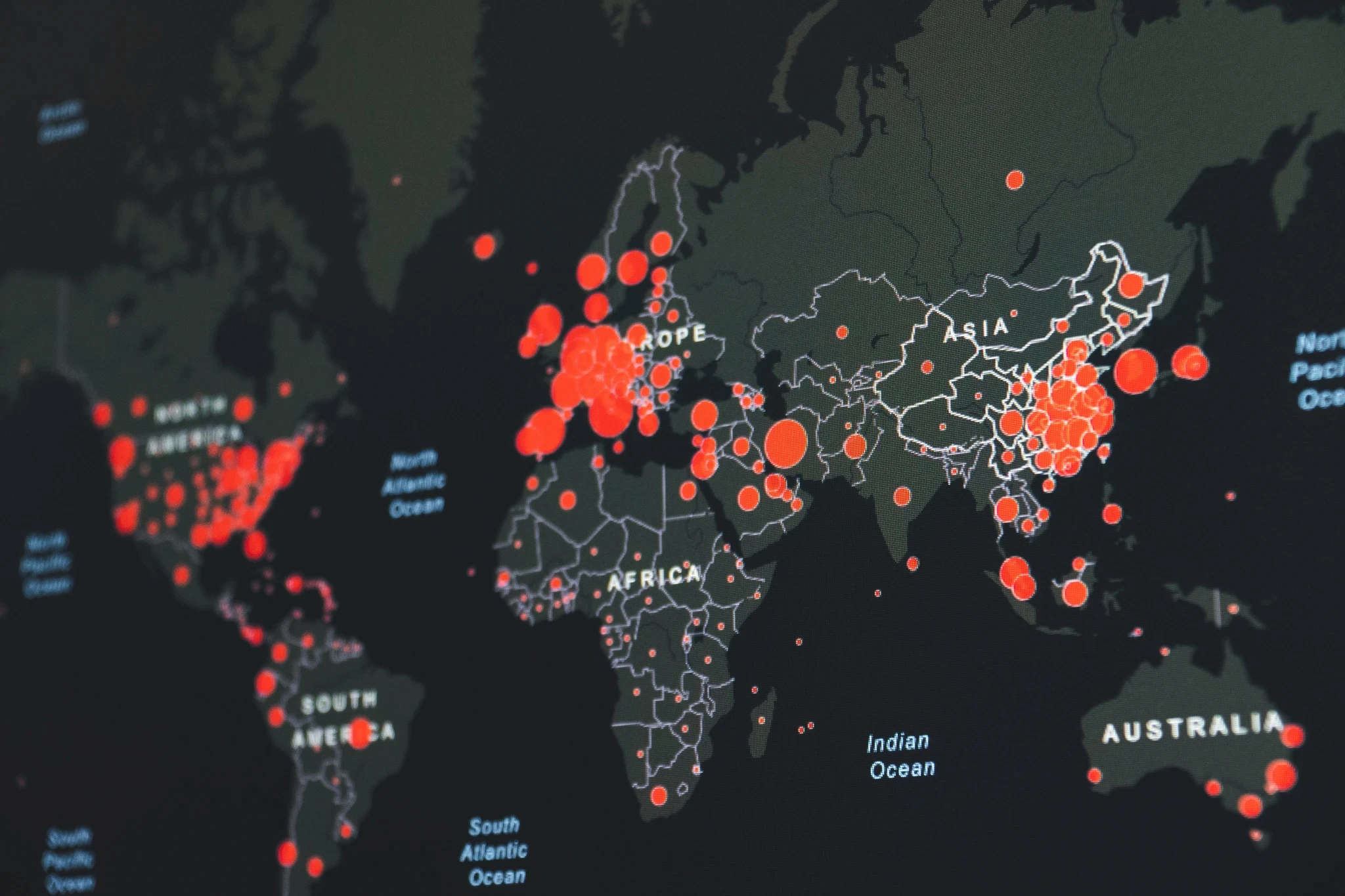
Tariffs. You think they’re just something politicians argue about on TV, and then one day you’re standing in your warehouse wondering why your pallets look different and why the math on your margins suddenly feels off. It’s not always dramatic, but it’s constant. A small shift here, a delayed shipment there, and suddenly the products you could count on either cost more or don’t show up at all.
Anyone who’s been in this game for a while knows it’s never just about one thing. The liquidation, wholesale, and reselling world is changing. Tariffs are up, shipping costs are spiking, and supply chains are less predictable than ever. That can feel overwhelming, but it also creates opportunities for you to plan ahead and adjust.
Here’s a breakdown of what’s happening and how you can respond.
Higher Costs on New Inventory (Upstream Impact)
What happens: Tariffs on imports, especially from major manufacturing countries like China, push the cost of new products higher for retailers and big box stores.
Impact on the industry:
Retailers may overprice, overorder, or shift sourcing, which changes what ends up in the liquidation channel
Higher costs mean fewer overstock items and smaller margins for suppliers
Truckload pricing may rise as liquidation sources try to pass on their higher costs
Who it hits: Liquidators, bin stores, and resellers who rely on consistent pricing and margins
Shift in Product Types and Categories
What happens: Tariffs make certain categories like electronics, tools, or textiles more expensive or less available due to decreased imports
Impact on the industry:
Changes the type of inventory entering the secondary market, with more domestic goods and fewer foreign brands
Could lead to oversupply in untariffed categories and scarcity in others
Short-term arbitrage opportunities may appear, but long-term stability is less predictable
Who it hits: Buyers specializing in niche categories or relying on consistency
Increased Demand for Domestic and Liquidated Goods
What happens: Higher import costs push retailers and small businesses to look for cheaper domestic alternatives, like liquidated goods
Impact on the industry:
Short-term boost in demand for truckloads and surplus inventory
Could bring new buyers into the liquidation space, increasing competition
Good for sellers who maintain transparency and quality, but risks exist with market saturation
Who it helps: Truckload sellers and trusted liquidation sources
How to Respond Strategically
Here are some smart moves to prepare for changes and leverage emerging opportunities:
Diversify Sourcing Channels
Why: Tariffs may disrupt supply or make certain categories more expensive
How to do it:
Build relationships with multiple liquidation suppliers
Explore domestic manufacturers or regional distributors
Attend industry events to meet new suppliers in person
Focus on Popular Domestic Categories
Why: Some imported products may become scarce or costly, so demand shifts to domestic alternatives
How to do it:
Stock untariffed or US-made items like general merchandise, home goods, or refurbished products
Monitor which categories are heating up due to import cost increases
Use liquidation to secure inventory before prices rise
Raise Prices Strategically
Why: Competitors may raise prices, and you can too, without losing customers
How to do it:
Bundle items, offer “buy more save more” deals, or create premium mystery boxes
Highlight value with better photos, descriptions, and simple guarantees
Communicate clearly that prices reflect changing market conditions
Monitor Category Trends
Why: Tariffs create ripple effects; what’s slow today could be hot tomorrow
How to do it:
Track sales reports and use tools like the built in eBay Seller Hub or Keepa
Follow industry reports like the WHSL State of the Industry or the McKinsey State of the Consumer
Engage with reseller communities on platforms like Reddit, Facebook groups, and WhatsApp
Lock in Trusted Supplier Relationships
Why: Higher demand brings more competition and potential bad actors
How to do it:
Commit to repeat deals or long-term agreements with reliable suppliers
Negotiate early access to loads in exchange for loyalty
Vet new suppliers carefully, especially those offering deals that seem too good to be true
Educate Yourself and Your Team
Why: Businesses that understand the market adapt fastest
How to do it:
Attend webinars or conferences focused on sourcing, shipping, and strategy
Subscribe to newsletters and updates about wholesale and liquidation trends
Train your team to spot shifts in value and customer buying behaviors
Closing Thoughts
Rising tariffs and supply chain shifts are tough, no doubt about it. But they don’t have to throw your whole operation off track. The businesses that do well are the ones that stay flexible, keep an eye on what’s moving, and nurture the relationships that matter.
At the end of the day, it’s not just about surviving the squeeze. It’s about finding your rhythm, spotting the opportunities that others miss, and building something that lasts, even when the market feels unpredictable. It’s a grind, but it can pay off if you stay sharp and stay connected.