

Subee Cardenas
Subee is the Conference Coordinator of WHSL and Marketing Director of BuyLow Warehouse.
Join the WHSL Community
Stay up to date on upcoming events, industry news, and resources designed for liquidation and wholesale businesses.
More From Subee Cardenas
Mar 26, 2026

Aug 19, 2025

Aug 13, 2025
Aug 7, 2025
How New Trucking Visa and Language Rules Could Affect Wholesale and Reselling
All of the Best Looks From New York Fashion Week Fall/Winter 2021. From Markarian to Prabal Gurung, this week features some American design
Aug 7, 2025
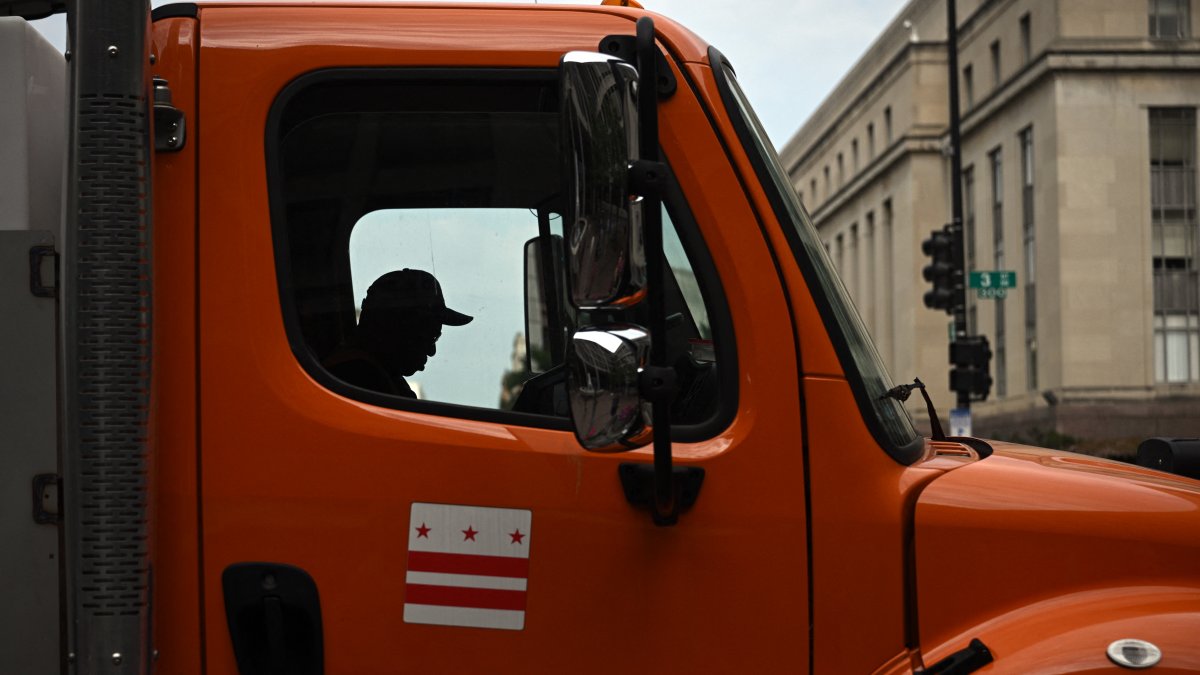
The U.S. government has recently announced a pause on employment visas for commercial truck drivers, along with stricter English proficiency requirements. For the wholesale, surplus, liquidation, and reselling industries, this is more than a policy note. Trucks move inventory, and any disruption in driver availability has a ripple effect from suppliers to warehouses to end customers.
What’s Changing
The pause on employment visas immediately affects non-U.S.-born drivers who might have previously filled critical roles. At the same time, language requirements mean companies must verify English skills or provide additional training. These rules apply to all drivers engaged in interstate commerce, not just regional haulers.
How This Impacts the Industry
Driver Availability
FMCSA said in 2023 that about 16% of U.S. truck drivers were born outside the United States. Logistics companies relying on non-native-English-speaking drivers (especially in border regions) may now facing potential driver shortages, delays due to enforcement stop-offs, and increased training needs. With fewer eligible drivers, logistics networks may feel tighter. Companies that depend on cross-country deliveries or border-region freight could struggle to keep lanes fully staffed.
Delivery Timelines
Expect slower transit times, especially in regions where enforcement is more rigorous. Inspections or disqualifications could add hours or even days to deliveries, impacting everything from palletized overstock shipments to smaller liquidated lots.
Operational Costs
Training programs for English proficiency, compliance paperwork, and additional administrative oversight will increase costs. Smaller operations with tighter margins may feel this more acutely.
Regional Differences
Enforcement may vary state by state, creating inconsistent timelines and operational headaches for multi-state freight. Companies may need to monitor which routes are more affected than others.
Strategic Planning
Businesses should consider investing in training programs, adjusting hiring practices, or looking for domestic drivers to fill gaps. Some may explore younger or less-experienced candidates, while others might shift sourcing closer to distribution centers to reduce dependence on long-haul drivers.
What Resellers and Liquidators Can Do
Review freight contracts and plan for longer lead times.
Reassess inventory schedules to avoid stockouts caused by delayed shipments.
Consider alternative shipping methods where possible, including regional carriers or third-party logistics providers.
Keep an eye on policy updates, as state-level enforcement can change quickly.
Bottom Line
The new trucking visa and language rules are set to create ripple effects across the supply chain. Wholesale, liquidation, and reselling businesses that rely on consistent trucking access will need to adjust quickly. Preparing now with alternative plans, flexible schedules, and proactive training will help minimize disruptions and keep operations running smoothly.