
The WHSL Team
Join the WHSL Community
Stay up to date on upcoming events, industry news, and resources designed for liquidation and wholesale businesses.
More From The WHSL Team

Aug 27, 2025

Aug 27, 2025

Aug 27, 2025

Aug 27, 2025
The Current State of the Liquidation Industry
The liquidation industry is growing, adapting, and getting more competitive every year. Online shopping, bin store trends, supply chain challenges, and technology adoption are all shaping how resellers operate. The businesses that stay proactive, embrace new tools, and focus on creating engaging experiences for buyers are the ones most likely to thrive.
Aug 19, 2025
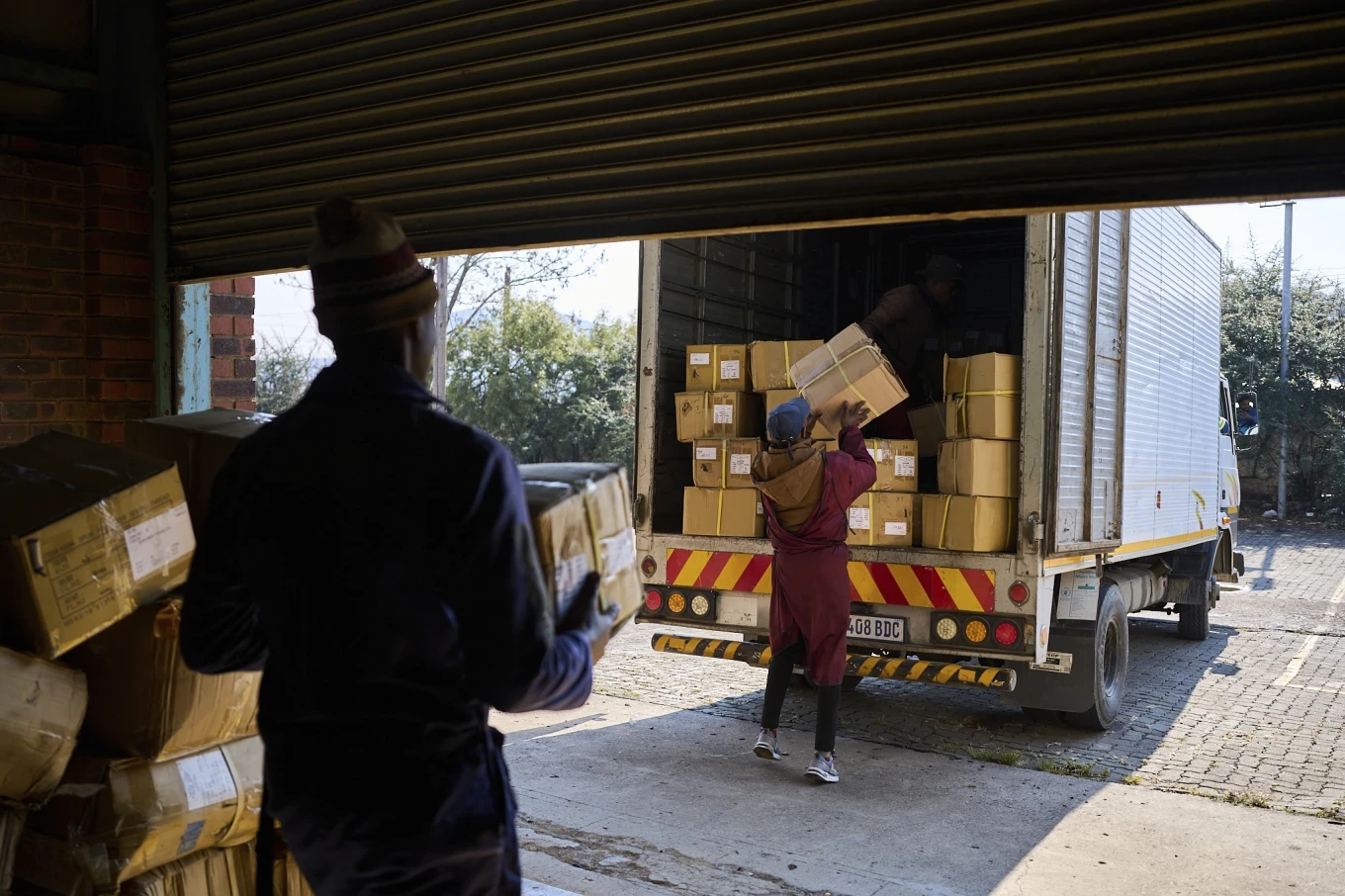
The liquidation industry is shifting in some pretty big ways. Online shopping just keeps growing, which means more returns and overstock items are entering the market. That creates a ton of opportunities for resellers to snap up inventory and turn a profit. It’s not just a trickle anymore; it’s a steady stream of merchandise moving from retailers to resellers faster than ever.
Bin stores are riding this wave too. People love the thrill of a deal, and the hunt for bargains is bringing more shoppers into these stores. Bin store owners are catching on by hosting special events, creating social media content, and designing engaging spaces that make shopping fun. It’s no longer just about cheap products. The experience itself is drawing customers back week after week.
Technology is playing a huge role as well. Apps and websites make it easier to find inventory, check pricing, and connect with buyers. Resellers using these tools have a clear edge, though competition is also heating up. Some retailers are cutting out the middleman and selling more directly to end customers, which is reshaping the landscape in ways we haven’t seen before.
E-Commerce Growth Driving Liquidation
The growth of online shopping is the backbone of today’s liquidation market. Returns and overstock from big retailers like Amazon, Walmart, and Target keep pouring in. According to Shopify’s Global E-Commerce Statistics, the worldwide ecommerce market is expected to hit $4.8 trillion in 2025, with U.S. revenue alone projected at $1,381.74 billion. Those are some staggering numbers, and they directly affect the liquidation sector.
Online purchases come with a higher return rate too, around 20.8 percent according to the National Retail Federation, so more products flow into liquidation channels than ever before. That’s a huge opportunity for resellers who know how to turn those returns into profit.
Supply Chain Challenges and Adaptations
Supply chains are still a headache in 2025. Shipping delays, labor shortages, tariffs, and rising costs are constant pressures. But resellers who stay proactive can ride the waves rather than get crushed. Diversifying inventory sources, ordering early, building strong supplier relationships, focusing on less volatile products, and watching tariff changes are all strategies that make a difference.
Even small sellers can manage supply chain risks without needing a full global logistics team. While giant companies reported billions in losses due to disruptions, smaller operations often feel the pinch faster. That means planning ahead and having backup options isn’t optional. It’s survival.
Technology Adoption in Liquidation
Technology isn’t just helpful; it’s changing the game. AI tools now help resellers spot the best products and set competitive prices. Mobile apps make on-the-go sourcing faster, and automated listing tools save hours when posting items online. Inventory management systems track what’s in stock and what’s moving, helping sellers make smarter decisions.
According to eTurns, 2025 is seeing even more use of AI and sensor technology in inventory management. IBM’s Global AI Adoption Index shows about one in four companies are using AI for real-time inventory tracking, and McKinsey’s 2025 report indicates that employees are ready for AI adoption more than ever. Liquidation businesses leveraging these tools are gaining an edge in operations and cost efficiency.
The Bottom Line
The liquidation industry is growing, adapting, and getting more competitive every year. Online shopping, bin store trends, supply chain challenges, and technology adoption are all shaping how resellers operate. The businesses that stay proactive, embrace new tools, and focus on creating engaging experiences for buyers are the ones most likely to thrive.
If you want to dig deeper into these trends and see what’s working for other liquidation businesses, check out our full State of the Industry report for more insights and real-world strategies.