Matt Leavell
Matt Leavell is the Founder of WHSL, Founder & CEO of BuyLow Warehouse, and Co-Founder & CEO of Bid Llama.
Join the WHSL Community
Stay up to date on upcoming events, industry news, and resources designed for liquidation and wholesale businesses.
More From Matt Leavell
Aug 13, 2025
How To Avoid Being Scammed in Wholesale Liquidation
Protecting yourself is not optional. Scammers often hop from one fake identity to another, so there are patterns you can watch for because they do not expect to stick around.
Aug 27, 2025
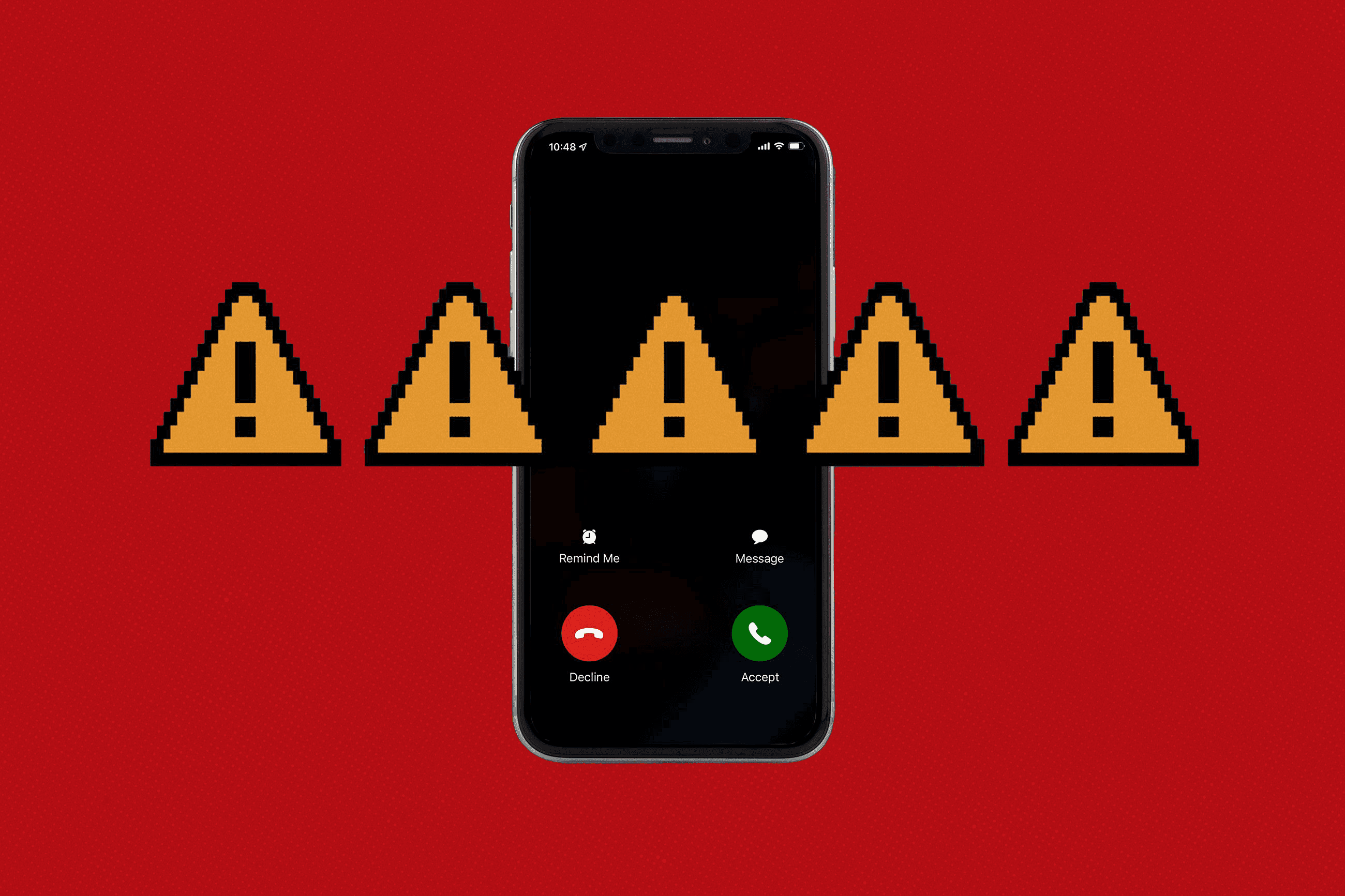
Being a moderator for three of the largest Facebook groups in our industry, I see the same stories pop up again and again.
Buyer #1
“I just paid someone $15,000 and never received anything.”
Buyer #2
“This person tried to scam me, but I figured it out. Everyone beware.”
The difference is preparation. Buyer #2 asked the right questions and spotted the warning signs before losing money. The real question is, how did they figure it out
In free Facebook groups, admins cannot police every seller. Protecting yourself is not optional. Scammers often hop from one fake identity to another, so there are patterns you can watch for because they do not expect to stick around.
Here are practical tips and red flags to help you avoid getting scammed. The best approach is to work with reputable sellers whenever possible.
Common Warning Signs That a Seller May Not Be Legitimate
Red Flags in Communication
Unsolicited messages through Facebook Messenger asking about products you commented on
Listed product prices far below market value
Freight prices that seem too low to be real
Guarantees on unmanifested loads that no one can actually promise
Profile Concerns
Brand new Facebook account
Odd profile names
No real profile picture
Very few friends
Friends that do not match the seller’s supposed location or demographic
Multiple comments from other members claiming the seller is legitimate, especially if it seems staged
No physical business location
Overly formal language, for example constantly calling you sir or madam
Choppy English in communication
Professional Habits That Raise Questions
No online business presence
No Google reviews
Unable or unwilling to provide additional photos of inventory
Does not ask for a reseller license
No formal purchase agreement or invoice
Only accepts unusual payment methods like CashApp or Venmo and may avoid wire transfers
Dodges product questions or gives repetitive, vague answers
How to Verify a New Seller
Even a seemingly professional seller can be fake, so verification is crucial. Multiple warning signs without solid proof are a clear stop.
Steps to Vet a Seller
Ask in the Facebook group for feedback from other members
Watch for patterns if the same accounts repeatedly defend the seller
Request official business formation documents from the IRS or the state
Check Google reviews and ratings. Lack of reviews or poor ratings is a concern
Look at past activity in Facebook groups and see if there are any flags or complaints
Ask questions you already know the answers to and see if the seller responds correctly
Consult another trusted buyer or seller for their opinion
If a seller passes this vetting process, you can move forward with more confidence. If something still feels off, walk away. There is always another deal, and no one transaction should make or break your business.
The Reality About Secret Suppliers
Do not get caught up thinking you have discovered a hidden golden ticket supplier. Very few of these exist and access is usually built over years. As a beginner, the chances of connecting with one are extremely slim. Scammers will exploit your excitement. Stick to sellers you can verify. Repeated good decisions are what build long-term success in this business, not chasing the deal of a lifetime.
Want to keep learning and connecting with verified members of the industry? Join one of our active Facebook groups where resellers, liquidators, and store owners share available loads, advice, supplier leads, and real experiences. It is a great place to ask questions, stay updated, and build valuable connections.