

The WHSL Team
Join the WHSL Community
Stay up to date on upcoming events, industry news, and resources designed for liquidation and wholesale businesses.
More From The WHSL Team

Aug 27, 2025

Aug 27, 2025

Aug 27, 2025

Aug 27, 2025
Tackling the Biggest Challenges in the Liquidation and Reselling World
Style is the only thing you can’t buy. It’s not in a shopping bag, a label, or a price tag. It’s something reflected from our soul to the outside world, an emotion.
Aug 7, 2025
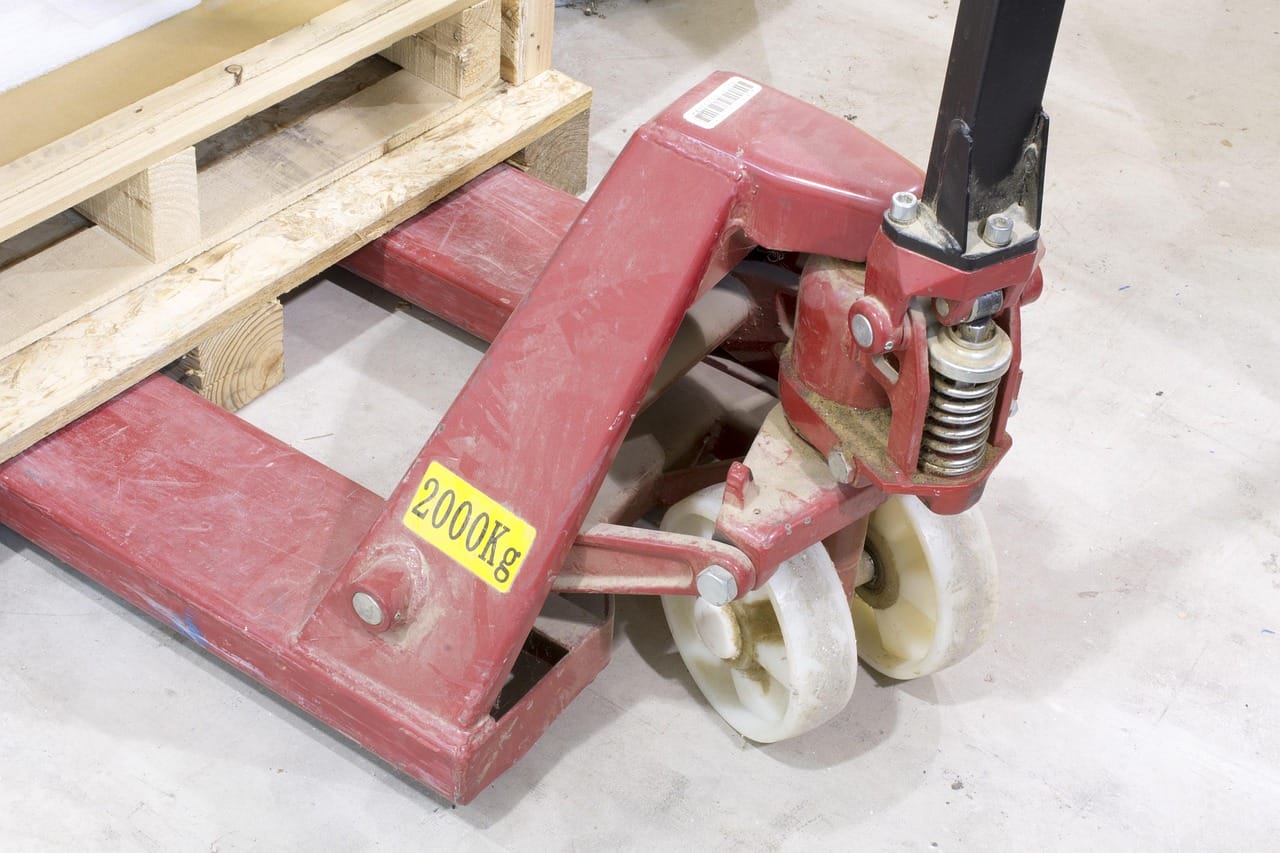
Running a liquidation or reselling business is not for the faint of heart. Our State of the Industry report revealed the top challenges that keep resellers up at night. It is no surprise, really. When margins are tight, supply is unpredictable, and the economy throws curveballs, it can feel like you are constantly juggling flaming batons.
Finding Dependable Supplies and Consistent Inventory
One of the biggest headaches is sourcing. Finding suppliers you can trust, ensuring the inventory is good quality, and making sure shipments actually show up is a daily grind. Many resellers reported spending hours vetting suppliers, double-checking product quality, and chasing down missing shipments. The frustration of landing what seems like a perfect load only to discover damaged or mismatched items is all too common.
The key here is not just luck. Building relationships and systems matters. Keeping a few dependable suppliers on call, asking for references, inspecting inventory in person when possible, and documenting quality standards can save a ton of headaches. Some resellers rotate smaller trial loads before committing to larger purchases to make sure the supplier can deliver consistently.
Rising Costs Across the Board
From merchandise prices to freight fees, costs are climbing. Many survey participants flagged unexpected increases as a major strain. Freight alone has become a juggling act. Suddenly a shipment that looked profitable ends up eating a chunk of your margin because fuel prices rose or shipping fees spiked.
Staying on top of cost increases means planning ahead. Comparing shipping options, negotiating with suppliers, and factoring in potential increases can help keep margins steady. Some resellers are also experimenting with bulk purchasing or consolidating shipments to cut per-unit costs. It is not foolproof but it can help avoid nasty surprises.
Economic Downturn and Decreased Sales
Even when supply chains are solid and costs are controlled, broader economic forces can hit hard. Lower consumer spending, shifts in online marketplaces, or local economic slowdowns all have an impact. Many resellers reported slower turnover and tighter budgets for buyers, making it harder to move merchandise at the same pace as before.
The best strategy here is flexibility. Adjusting inventory mix, offering promotions strategically, and keeping a pulse on what sells fastest can make the difference between sitting on unsold stock and turning a steady profit. Diversifying revenue streams, like exploring new platforms, wholesale opportunities, or local markets, can also buffer the impact of slower periods.
Turning Challenges into Opportunities
The common thread is clear. Challenges are real but they are not insurmountable. Resellers who invest in relationships, maintain flexibility, and stay proactive on costs and quality often find they can turn these pain points into advantages. A supplier who consistently delivers quality loads, a shipping strategy that keeps costs predictable, and a keen eye on market trends can separate the top-performing resellers from the rest.
If you want to dive deeper into these challenges and see how others in the industry are tackling them, check out our full State of the Industry report. It is packed with actionable insights and real-world strategies that can help you stay competitive even when the market gets rough.